

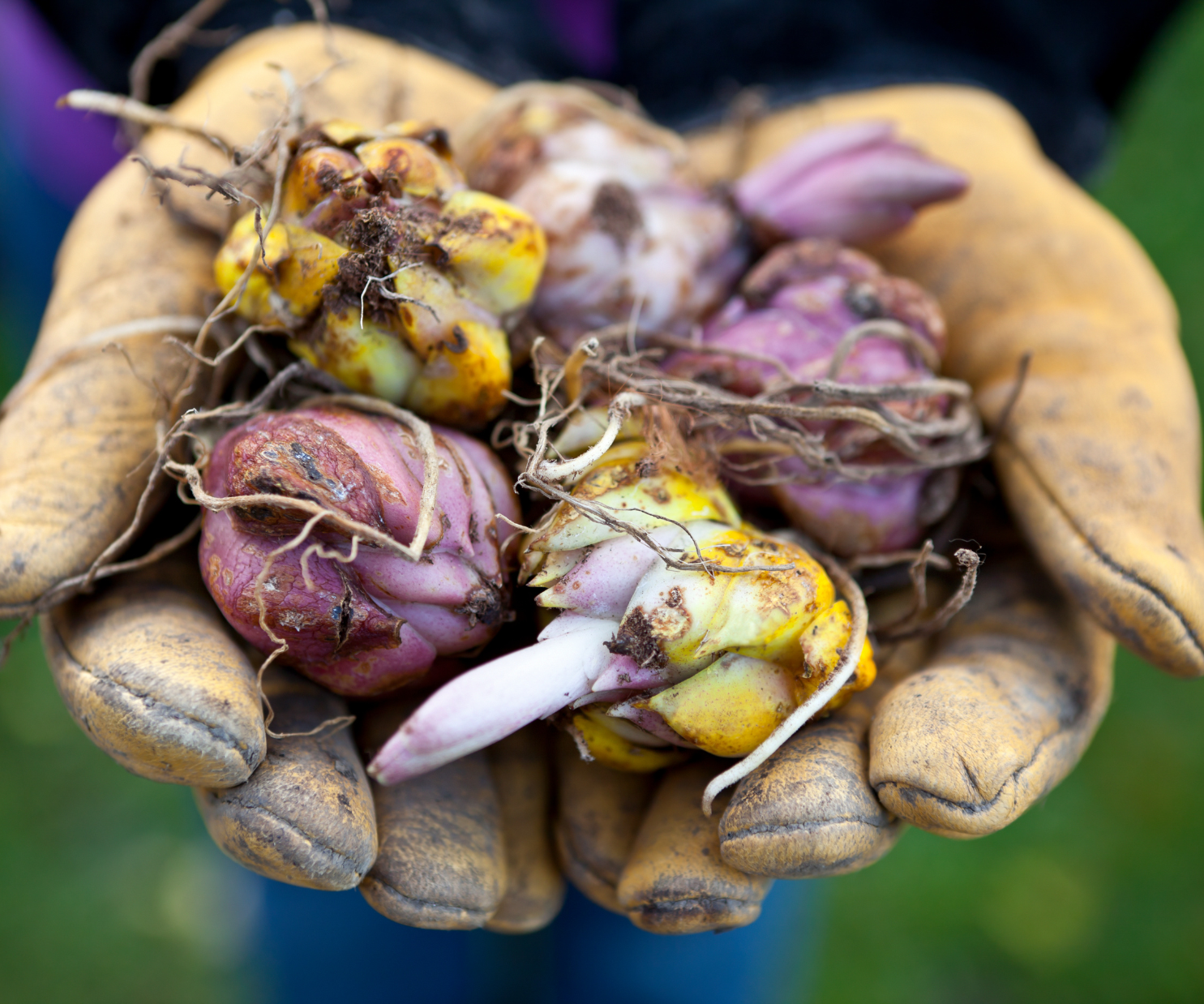
Starting your flower garden? Feeling a bit lost with all the talk about bulbs, tubers, corms, and rhizomes? Don’t worry, it’s not as complicated as it sounds! Let’s break it down:
What is a “Bulb” Anyway?
Think of a bulb as a plant’s personal pantry, packed with everything it needs to survive when it’s too cold or dry to grow. But here’s the thing: not all "bulbs" are created equal. Let’s dive into the different types!
True Bulbs
The classic bulb, like those found in tulips and hyacinths, is composed of layers of leaves surrounding a bud. Inside, you’ve got layers of leaves hugging a little bud, all snuggled up and ready to burst into bloom when the time is right. When planting, be sure to follow the depth instructions on the packaging, and always plant with the tip facing upwards. If you're uncertain, planting sideways works too—though it may delay blooming by a day or two.
Corms
Corms are like the bulb’s sturdier cousin. No leafy layers here—just solid storage tissue. Popular corms include crocuses, freesias, and gladiolus. They plant just like bulbs: tip up, and follow the depth guide. The cool part? After the growing season, they grow a new corm right on the old one, keeping the cycle going.
Tubers
Tubers are underground structures that store nutrients and can sprout from various points. Before planting, check that they are firm; discard any soft or squishy ones. When planting, ensure the crown, where all the tubers connect, is facing upwards. Dahlias are a common example of tubers, though they’re typically planted in the spring.
Rhizomes
Rhizomes grow horizontally, sending roots downward and shoots upward. Irises and lilies are popular fall-planted rhizomes. When planting, follow the depth instructions, and ensure the “eyes” or sprouts are facing upwards for optimal growth.
Whether you’re dealing with bulbs, corms, tubers, or rhizomes, you’re ready to plant like a pro. Happy gardening!


