

Every gardener knows the heartbreak of spotting aphid damage on a prized rose bush or finding tomato hornworms devastating a crop overnight. When pests strike, it’s tempting to reach for a chemical spray. But what if we told you there’s a safer, more sustainable, and incredibly effective army ready to fight those battles for you?
Welcome to the world of beneficial insects: the unsung heroes of organic gardening. By introducing and supporting these good bugs, you can create a balanced ecosystem right in your backyard.
The best part? You don't have to wait for them to show up on their own. We stock all of these powerhouse beneficials (and their eggs) right here at the nursery! Here is who you can recruit for your garden team today:
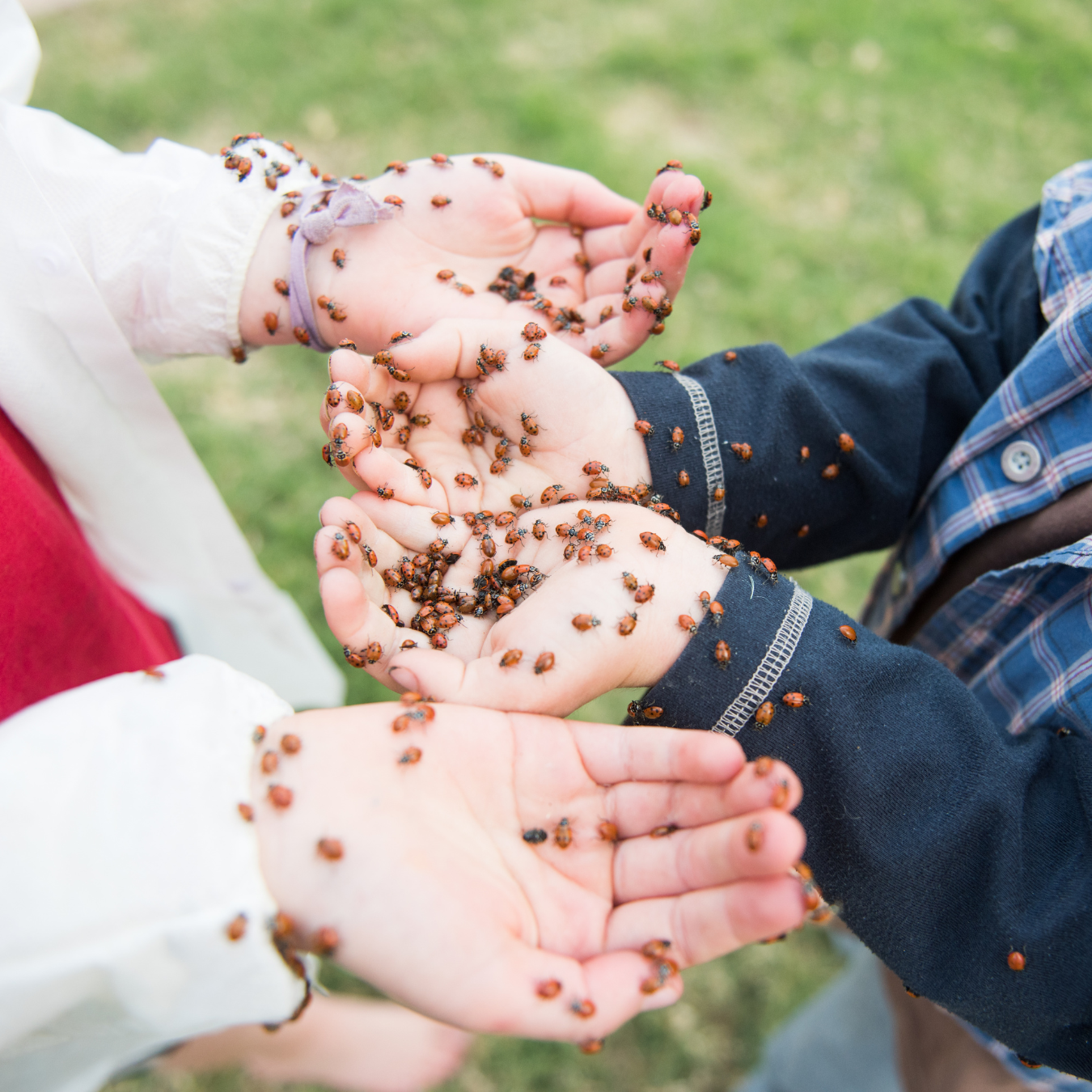
Ladybugs
We all know and love them, but ladybugs are much more than just a cute face. They are absolute machines when it comes to pest control.
Target Pests: Aphids, spider mites, scale, thrips, and whiteflies.
The Appetite: A single ladybug can consume up to 5,000 aphids in its lifetime. Even better, their bizarre-looking larvae (which resemble tiny, black-and-orange alligators) are just as voracious.
At the Nursery: We sell live adult ladybugs in breathable pouches, ready for immediate release!
Gardener's Tip: Release them at dusk after watering your garden. Ladybugs won't fly in the dark, and they’ll be thirsty, encouraging them to stick around and make themselves at home.
Green Lacewings
If you have a severe pest outbreak, green lacewings are your best friend. While the elegant, winged adults mostly feed on nectar and pollen, their larval stage is when most of the aphid feasting takes place.
Target Pests: Aphids, thrips, spider mites, caterpillar eggs, and mealybugs.
The Appetite: Lacewing larvae use hook-like jaws to seize pests and inject a paralyzing venom. They can clear out a pest population in record time.
At the Nursery: We carry lacewing eggs. You can hang the cards right in your garden foliage, and they will hatch into a hungry security team within a few days.
Gardener's Tip: Lacewings are excellent for both outdoor gardens and greenhouses.
Praying Mantis
If you want a dramatic defense system, look no further than the praying mantis. These fascinating creatures are masters of ambush, blending seamlessly into foliage before striking with lightning speed.
Target Pests: Beetles, caterpillars, grasshoppers, crickets, and flies.
The Appetite: Mantises are generalist predators, meaning they aren't picky eaters. They will eat just about anything they can catch!
At the Nursery: Look for our mantis egg cases (called oothecae) in our bug fridge. They look like small, hardened foam pods and contain up to 200 baby mantises.
Gardener's Tip: Hang the egg case in a warm, sheltered spot in a bush or tree. By mid-summer, you’ll have dozens of tiny guardians patrolling your yard.
Honorable Mention: Beneficial Nematodes
While not technically a bug, beneficial nematodes are still a beneficial organism you want in your landscape! Not all garden battles are fought on leaves and stems. Some of the worst pests destroy your plants from the roots up. That’s where beneficial nematodes come in. These are microscopic, harmless roundworms that live in the soil.
Target Pests: Grubs, fungus gnats, flea larvae, Japanese beetles, and root weevils.
The Appetite: Nematodes seek out soil-dwelling pests, enter their bodies, and release a bacteria that consumes the pest from the inside out within 48 hours. Don't worry - they are completely safe for humans, pets, and earthworms!
At the Nursery: We keep these in a special climate-controlled environment to ensure they are fresh and active. Just ask our staff to grab a pack for you!
Gardener's Tip: Nematodes need moisture to move through the soil. Apply them using a watering can or hose-end sprayer on a cloudy day or in the evening, and keep the soil damp for a few days after application.
How to Keep the Good Bugs Around
Releasing beneficial insects is only half the battle; you also want to keep them happy!
Skip the chemical pesticides: Chemical sprays don't differentiate between good bugs and bad bugs.
Plant an insect "insectary": Flowers like yarrow, sweet alyssum, fennel, and marigolds provide the pollen and nectar that adult beneficial insects need to survive.
Provide water: A shallow pebble dish filled with water gives small bugs a safe place to drink without drowning.
Ready to Recruit Your Garden Army?
Nature has already perfected pest control - we just need to give it a little boost! Whether you’re fighting an active infestation or just want to build a healthier garden for the season ahead, stop by the nursery today.
Our team will help you pick out the perfect beneficial insects (or eggs) for your specific yard layout and give you all the tips you need for a successful release.


