

What is a pollinator habitat?
Just like us humans, pollinators need food, water, shelter, and space to thrive. Areas with an abundance of flowering plants, food, and nesting spaces are called Pollinator Habitats. These habitats can be naturally occurring or man-made using a combination of plants cultivated to provide food and shelter for pollinators.
An important thing to consider when designing your pollinator garden is which pollinator you want to attract.
Attracting Native Bees & Honey Bees
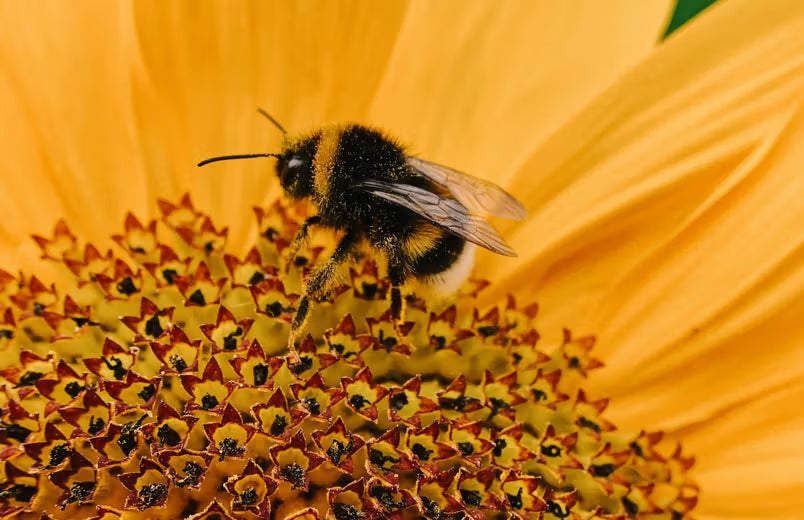
Bees are the most common and efficient pollinators of the Front Range, due to their hairy bodies, that effectively collect, hold, and distribute pollen from plant to plant. Of the 20,000+ bee species around the world, Colorado is home to 946 of them. While the well-known honey bees are social and live in large hives, 90% of all bees are solitary and nest underground.
Create a Bee Bath! Fill a shallow dish, such as a planter tray with small stones and pebbles, then fill the bottom with water. This will give bees and other beneficial insects a safe place for a nice drink.
Front Range thriving plants that bees love:
Asters
This cold-hardy, full-sun perennial produces daisy-like flowers late summer through fall.

Yarrow
This full-sun North American native perennial is popular with many pollinators, while being both pest and drought resistant.

Bee Balm
Much like the name entails, bees love this full-sun, summer blooming flower.

Pasque Flower
This partial-shade perennial is among the first to bloom in spring and provide a crucial first meal for bees.

Attracting Butterflies
Colorado is home to 250 different species of butterflies. One of the best ways to help attract butterflies to your garden is to provide a host plant for different species of caterpillars. After all, you can’t have butterflies without caterpillars.
Black Swallowtail
Caterpillar food:
- Dill
- Fennel
Butterfly food:
- Butterfly Weed
- Alfa Alfa
Painted Lady
Caterpillar food:
- Hollyhock
- Sunflowers
Butterfly food:
- Grape Hyacinth
- Cosmos
- Zinnia
Monarch
Caterpillar food:
- Milkweed
Butterfly food:
- Cosmos
- Rabbitbrush
Attracting Hummingbirds
Colorado is home to 250 different species of butterflies. One of the best ways to help attract butterflies to your garden is to provide a host plant for different species of caterpillars. After all, you can’t have butterflies without caterpillars.
Front Range thriving plants that hummingbirds love:
Agastache (Or "Hyssop")
This full-sun perennial blooms summer through fall and features clusters of tube-shaped flowers, making it the perfect snack-stop for hummingbirds.

Penstemon
This full-sun perennial blooms mid spring, with certain cultivars able to rebloom in summer.

Larkspur
These tall, partial-shade annuals can bloom in a variety of colors in summer.

With pollinator populations declining at a rapid rate due to increased large-scale agriculture and pesticide use, it is becoming more and more important to make small conscientious choices in our very own yards.
Need more tips and tricks on creating your Front Range Pollinator Garden? Visit us at Fossil Creek Nursery in Fort Collins, Colorado!
Our nursery professionals will help you choose and design the perfect pollinator garden for your Northern Colorado yard! Stop by at 7029 S. College Ave, Fort Collins, CO 80525


